

Easy Nylon Khaman Dhokla Recipe | Soft & Spongy
Make soft and spongy Nylon Khaman Dhokla at home with gram flour, citric acid, and a sweet-tangy tempering. An easy Gujarati snack!
Soft, spongy, and light, this Nylon Khaman Dhokla is hard to stop eating after the first bite. I make it with simple ingredients like gram flour (besan), citric acid, sugar, and coconut oil. It has a lovely sweet and tangy flavour with a soft, melt-in-your-mouth texture.
The best part is that you don’t need complicated ingredients or special techniques. Once you get the batter consistency and steaming right, you can make fluffy khaman dhokla at home. It is perfect for breakfast, a light snack, or tea time.
What Is Nylon Khaman Dhokla?
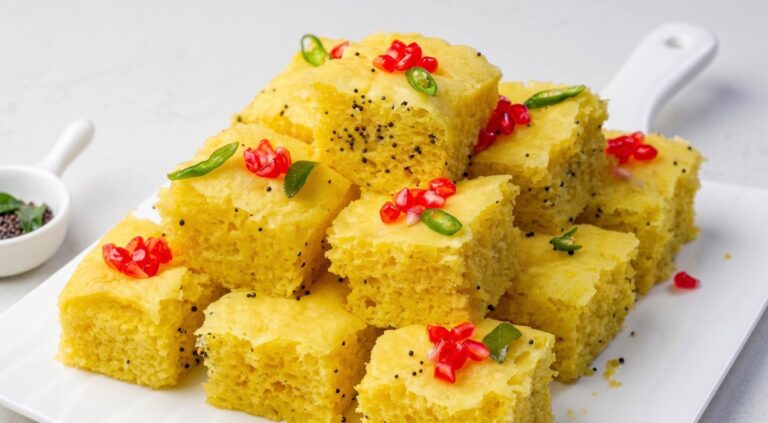
Nylon Khaman Dhokla is a soft and fluffy Gujarati steamed snack. It is mainly made with gram flour, also called besan. The texture is very light, soft, and delicate. That is why it is called “nylon” khaman.
Unlike other types of dhokla, nylon khaman feels very soft and airy when you eat it. It has a mild sweet and tangy flavour. A simple tempering of mustard seeds, green chilies, and curry leaves adds a lovely savoury taste.
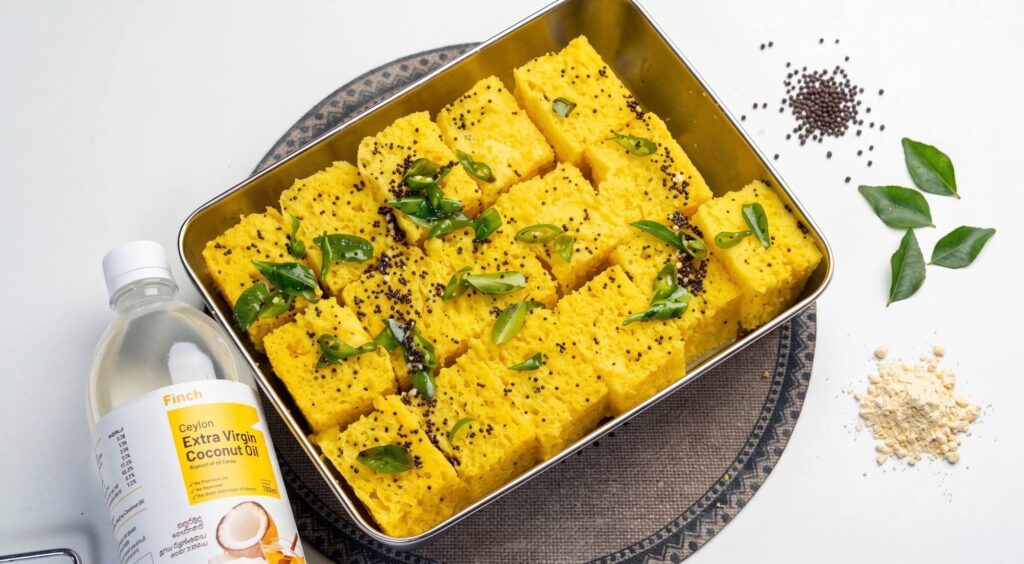
After steaming, cut the dhokla into squares. Pour the warm tempering evenly over the pieces. The dhokla soaks up the flavourful liquid and becomes moist and tasty.
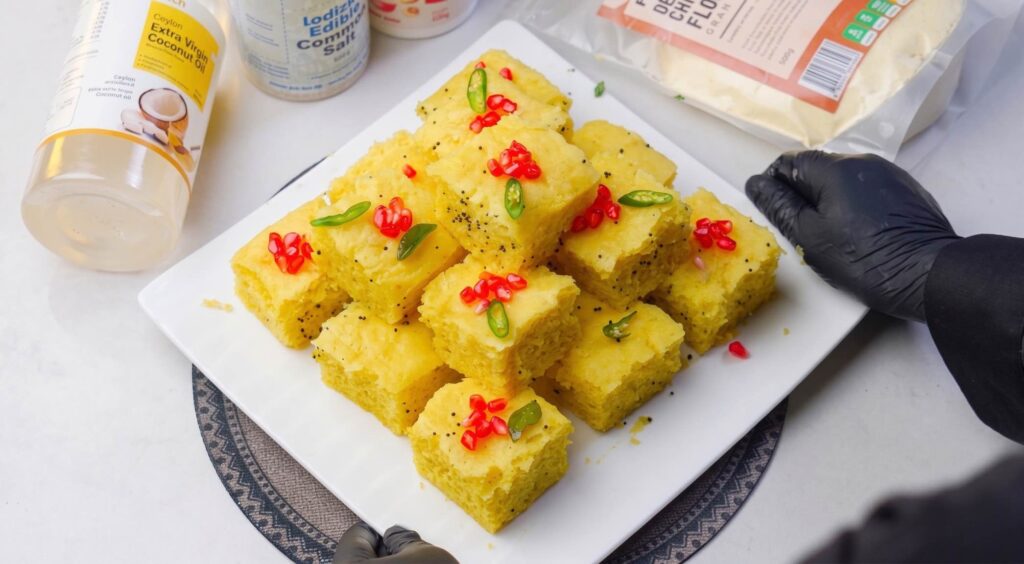
I like to add fresh pomegranate arils on top. They add a nice pop of colour and a little freshness.
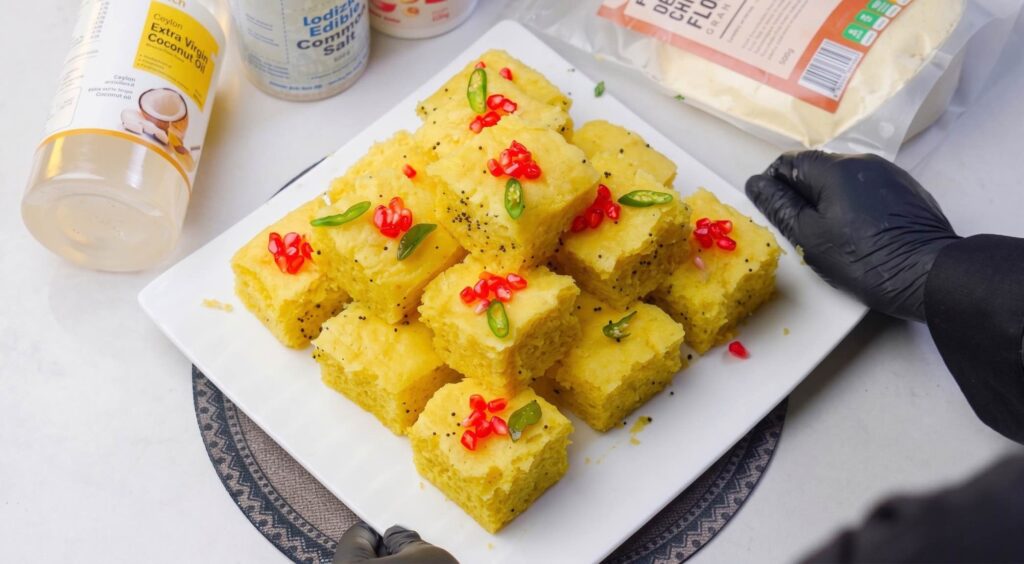
Soft and spongy: The batter is prepared and steamed in a way that gives the dhokla its light texture.
Easy to make: You only need a handful of basic ingredients.
Sweet and tangy: Citric acid and sugar give the khaman its classic balanced flavour.
Quick recipe: The batter only needs 10 minutes of resting time before steaming.
Perfect for snacking: Serve it as a light breakfast, afternoon snack, or tea-time treat.
Flavourful tempering: Mustard seeds, green chilies, and curry leaves add a delicious finishing touch.
A little different: I use coconut oil instead of the more traditional peanut oil for a slightly different flavour.
My experience on making this Nylon Khaman Dhokla
I made this Nylon Khaman Dhokla on a day when I wanted something light and simple, and I honestly didn’t expect it to turn out this good on my first try. I thought getting that soft, spongy texture might be a little tricky, but the batter was actually quite easy to put together. Once I got the consistency right and steamed it, the dhokla came out really soft and airy.
I like having it for breakfast when I want something light, but it’s also perfect with a cup of tea in the afternoon. Sometimes, I’ll even have a few pieces for a quick lunch when I don’t feel like making anything too heavy.
What I enjoyed most was the combination of flavours. The dhokla has that lovely sweet and slightly tangy taste, and once I poured the warm tempering over it, the mustard seeds, green chilies, and curry leaves brought everything together. I also liked using coconut oil in this recipe because it gave the dhokla a subtle flavour that I really enjoyed.
The best part for me was how the tempering soaked into the soft dhokla. I planned to have just a couple of pieces, but once I tasted it, I ended up reaching for another one. It’s an easy recipe, doesn’t feel too heavy, and is something I’d happily make again for a simple breakfast or an afternoon snack.
you might also love this Indian snack , try this recipe: Mumbai Pani puri
Step 1: Prepare the Dhokla Batter
Start by adding 1 cup of water, 1 teaspoon citric acid, 3 tablespoons sugar, 1 teaspoon salt, and 1½ tablespoons coconut oil to a large mixing bowl. Whisk everything together for about 2–3 minutes.
Make sure the sugar and citric acid have dissolved well into the water before moving on. This helps distribute the sweet and tangy flavour evenly throughout the batter.

Step 2: Add the Gram Flour
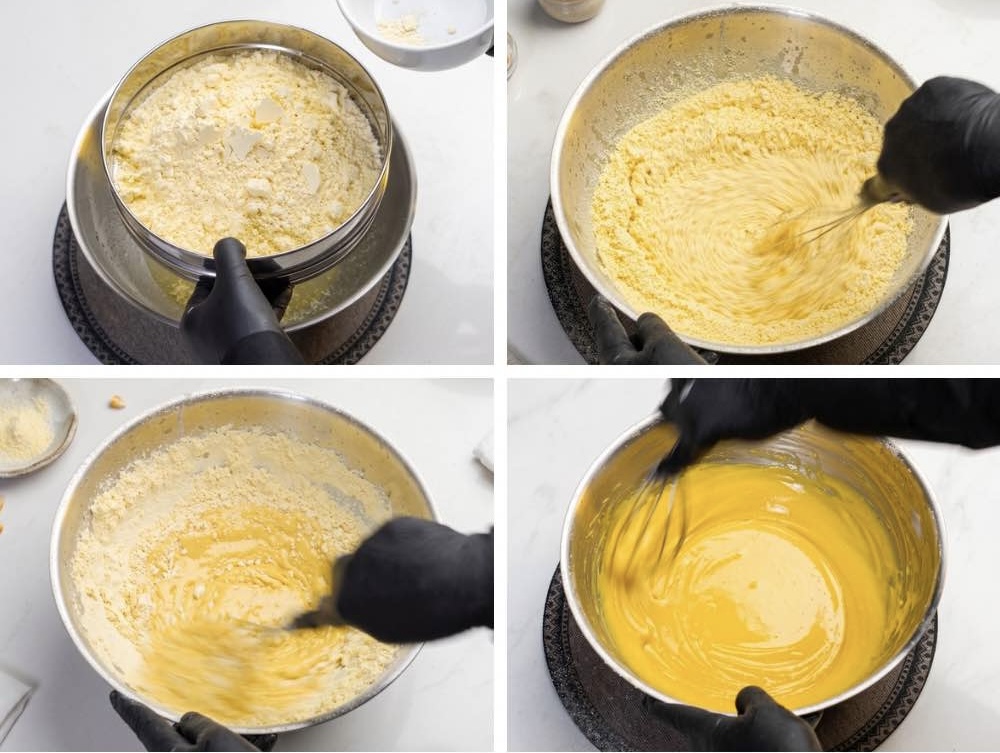
Sift 2 cups (220 g) of gram flour into the bowl.Sifting is worth doing because it helps remove small lumps and makes it easier to achieve a smooth batter.Whisk the mixture until you have a smooth,Silky and free of lumps .The consistency should be flowing but not watery .
Don’t worry if it looks slightly thicker than you expect at this stage. The batter will change once the raising agent is added.
Step 3: Let the Batter Rest
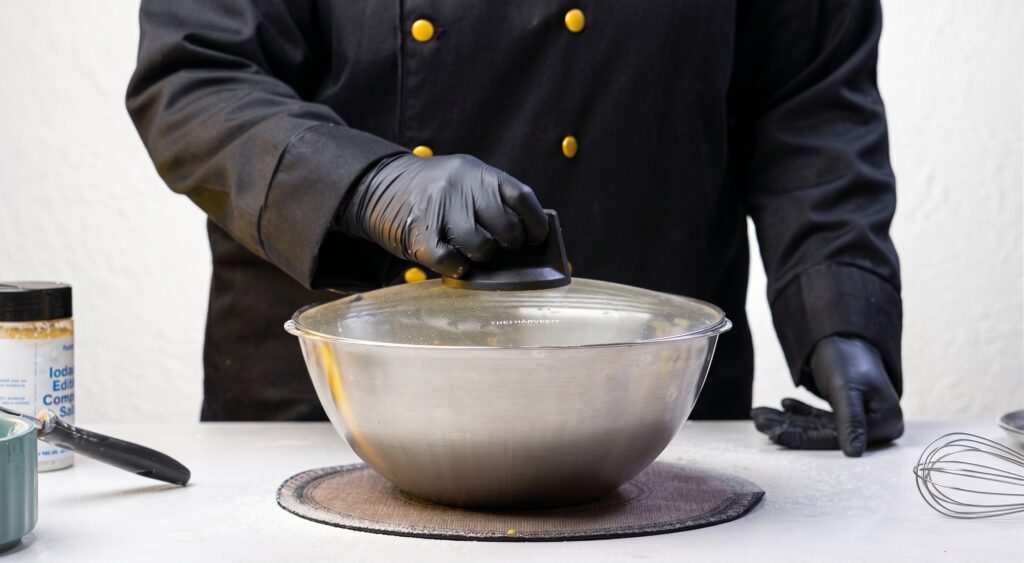
Cover the bowl and let the batter rest for 10 minutes.
While it rests, you can prepare your steamer.This short resting period gives the ingredients time to combine properly and helps the batter settle before you add the baking soda.While the batter is resting, fill your steamer with water and bring it to a boil.
You want the steamer to be ready before you activate the batter because once the baking soda is added, you should steam the batter without unnecessary delay.
Grease an 8-inch steaming tray generously with coconut oil.Make sure the bottom and sides are coated so the cooked dhokla releases easily from the tray.
Step 4: Add the Baking Soda
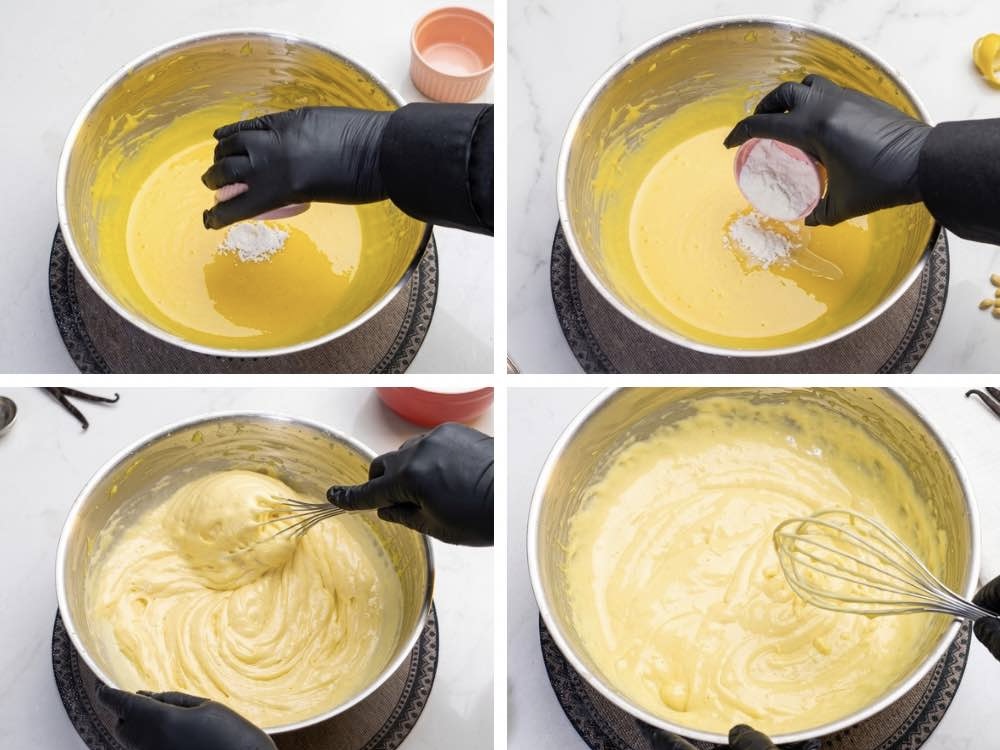
Once the batter has rested, add 1 teaspoon baking soda and 1 tablespoon water.Mix gently but thoroughly until the baking soda is evenly incorporated.
You should notice the batter becoming lighter and slightly airy.
This is an important step, so don’t mix the batter and then leave it sitting for a long time. The batter should go into the steamer soon after the baking soda is added.
Step 5: Pour the Batter Into the Tray
Immediately pour the prepared batter into the greased 8-inch tray. Gently tap the tray against the counter once or twice to help level the batter and remove any large air pockets.
Don’t shake or bang the tray too much because you want to keep the airiness you have created in the batter.Place the tray carefully into the hot steamer.

Step 6: Steam the Dhokla
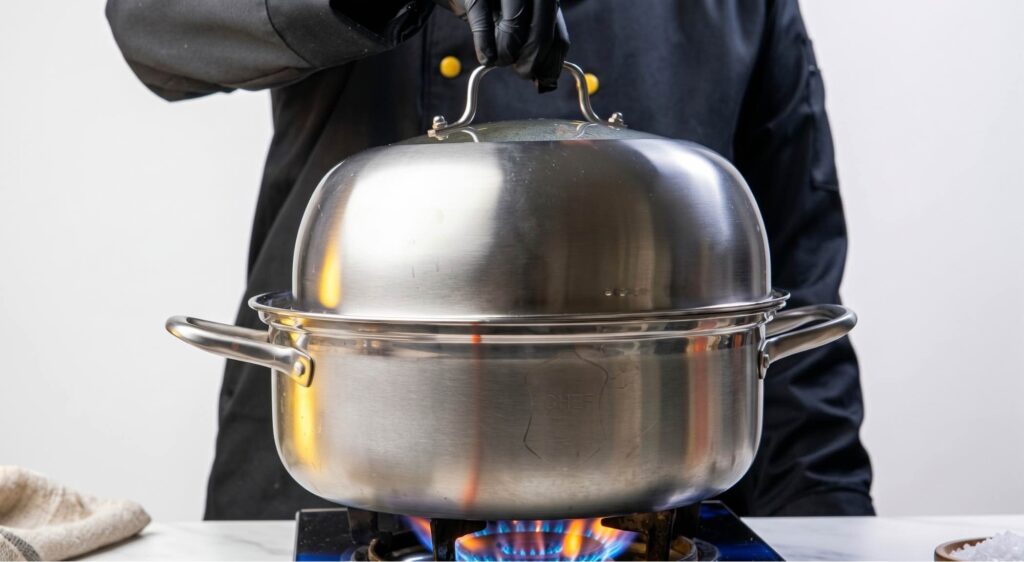
Cover the steamer and steam the dhokla over medium-high heat for about 20–25 minutes.Try not to open the lid repeatedly while it is cooking, as this can allow heat and steam to escape.After about 20 minutes, check the centre by inserting a knife or toothpick.
If it comes out clean, the dhokla is ready. If there is still wet batter on the knife, continue steaming for a few more minutes and check again.
Step 7: Cool and Cut
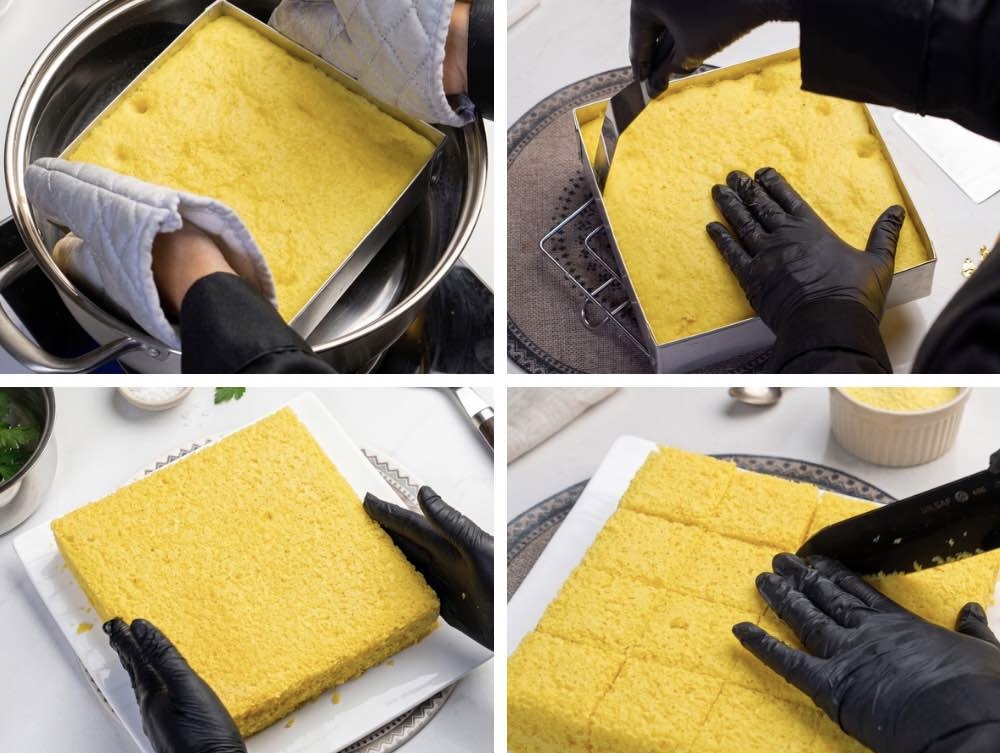
Carefully remove the cooked dhokla from the steamer.
Allow it to cool slightly before cutting.
Run a knife gently around the edges if needed, then cut the dhokla into even squares or diamond shapes.
Don’t cut it while it is extremely hot, as the soft pieces can be more difficult to handle.
Step 8: Prepare the Tempering
Now it’s time to make the flavourful tempering.
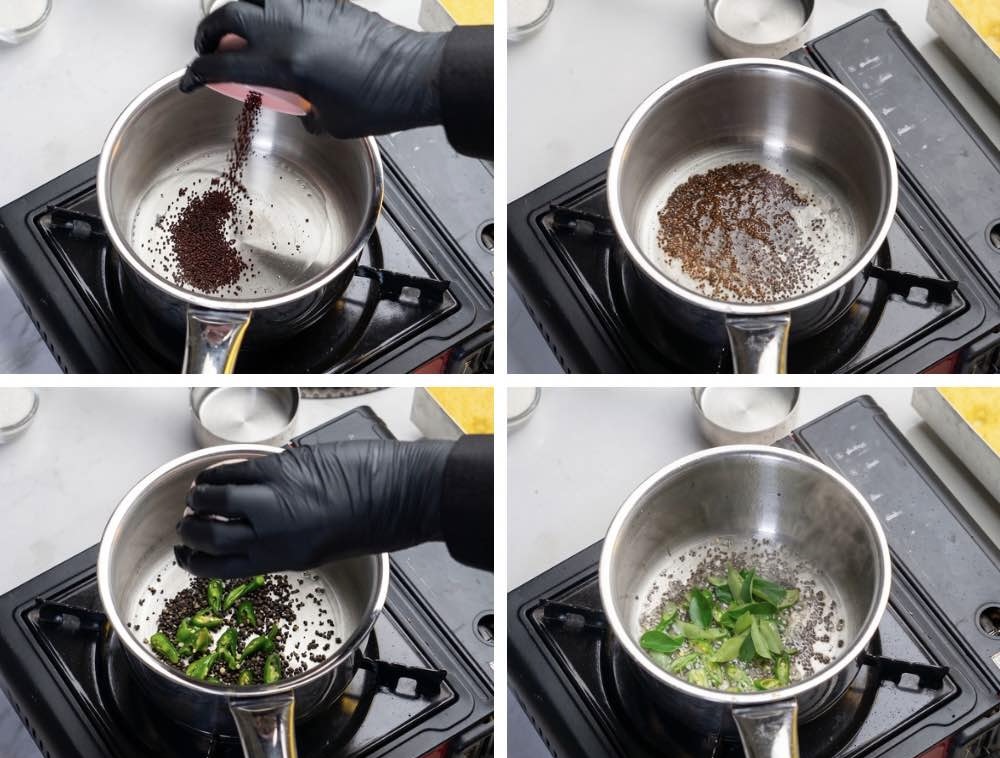
Heat 2 tablespoons coconut oil in a small pan over medium heat.Add 1 teaspoon mustard seeds and allow them to splutter.Once the mustard seeds start popping, add the sliced green chilies and curry leaves.Sauté them briefly until the curry leaves become fragrant.
Be careful when adding the curry leaves because they can splutter in the hot oil.
Step 9: Add the Tempering Liquid
Add 1 cup of water, 1 tablespoon sugar, and salt to taste to the pan.Stir well and bring the mixture to a boil.
Let it cook for about 2–3 minutes, or until the sugar has completely dissolved.
This creates a light sweet-and-savoury liquid that will soak into the soft khaman.

Step 10: Pour the Tempering Over the Dhokla
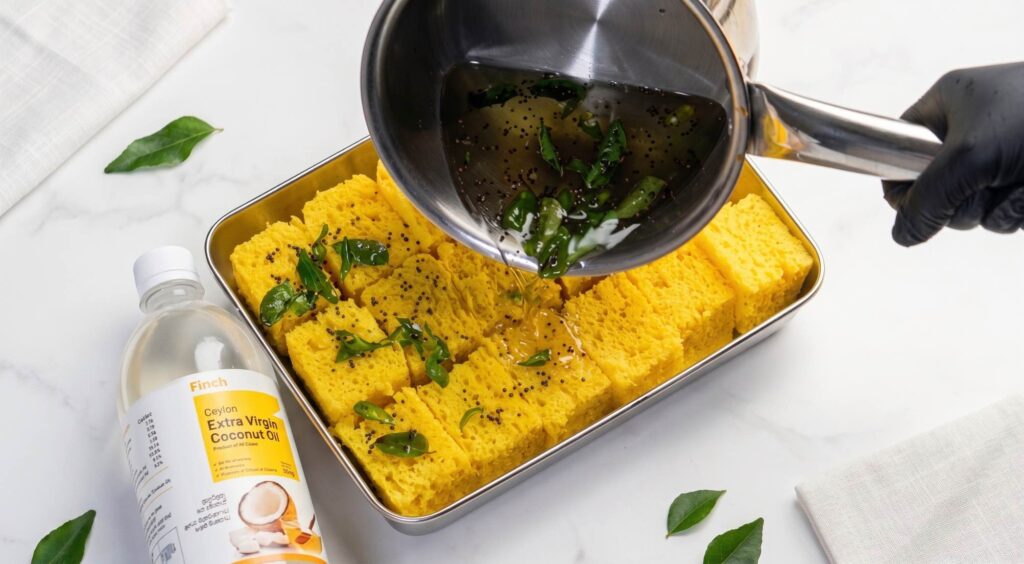
Slowly pour the warm tempering evenly over the cut dhokla.Try to spread it across the entire surface rather than pouring it all in one place.The soft khaman will absorb the liquid, giving the pieces extra moisture and flavour.Let the dhokla sit for 10–15 minutes before serving.
This resting time is important because it gives the tempering time to soak into the dhokla.
Step 11: Garnish and Serve
Finish the dhokla with fresh pomegranate arils.
Serve it with your favourite green chutney and enjoy while fresh.
Must Read My Other Recipes
If you love easy homemade snacks and comforting recipes, don’t forget to check out some of my other favorites :
- [Creamy Cajun chicken fettuccine]
- [Chicken Fatayer ]
- [Classic Virgin mojito]
- [Beef birria tacos]
- [The best crispy Homemade Granola ]
Soft & Spongy Nylon Khaman Dhokla | Easy Gujarati Recipe
Soft and spongy Nylon Khaman Dhokla made with gram flour and finished with a sweet, tangy, and savoury tempering. Light, fluffy, and easy to make at home, this Gujarati-style snack is perfect for breakfast, tea time, or a quick light meal.
- Total Time: About 50-55 mins
Ingredients
For the Dhokla batter
- 1 cup (240 ml) water
- 1 tsp citric acid (nimbu ka phool)
- 3 tbsp sugar
- 1 tsp salt
- 1½ tbsp coconut oil
- 2 cups (220g) gram flour (besan)
- 1 tsp baking soda
- 1 tbsp water
For the tempering
- 2 tbsp coconut oil
- 1 tsp mustard seeds
- 3 green chilies, sliced
- 10 curry leaves
- 1 cup (240 ml) water
- 1 tbsp sugar
- Salt, to taste
For Garnishing
- Pomegranate arils, as required
- Green chutney, for serving
Instructions
- Whisk water, citric acid, sugar, salt, and coconut oil until dissolved.
- Sift in the besan and whisk into a smooth, flowing batter.
- Cover and rest for 10 minutes.
- Prepare the steamer and grease an 8-inch tray.
- Mix baking soda with 1 tablespoon water and gently stir it into the batter.
- Immediately pour the batter into the tray and steam for 20–25 minutes.
- Cool slightly and cut into squares.
- Heat coconut oil and splutter the mustard seeds.
- Add green chilies and curry leaves.
- Add water, sugar, and salt and boil for 2–3 minutes.
- Pour the tempering over the dhokla.
- Rest for 10–15 minutes, garnish with pomegranate, and serve with green chutney.
Notes
⚠️Special Notice: The key to soft and spongy Nylon Khaman is getting the batter consistency right and adding the baking soda just before steaming. Have your steamer ready beforehand, and avoid letting the activated batter sit for too long before steaming.
Notes
- 1)This recipe makes a soft, spongyNylon Khaman Dhokla with a sweet-and-tangy flavor.
- 2)Coconut oil is used instead of the more traditional peanut oil, giving the dhokla a slightly different flavour.
- 3)The amount of sugar in the tempering is kept moderate so the final dish has a balanced sweet, tangy, and savoury taste.
- 4)For the best texture, steam the dhokla soon after adding the baking soda.
- 5)Allow the dhokla to rest after adding the tempering so it has time to absorb the flavours.
- 6) Pomegranate arils are optional but make a lovely fresh garnish.
- Prep Time: 15 mins
- Resting time: 10 mins
- Cook Time: 25-30 mins
Pro Tips & Techniques
1)Sift the Besan
Don’t skip this simple step. Sifting helps break up lumps and gives you a smoother batter.
2) Get the Batter Consistency Right
The batter should be smooth and flowing rather than extremely thick. A batter that is too thick can result in heavier dhokla.
3)Add the Baking Soda at the Last Moment
Baking soda should be added just before steaming. Once it has been mixed into the batter, get the dhokla into the steamer fairly quickly.
4)Have Your Steamer Ready
Prepare the steamer and tray before adding the baking soda. This makes the whole process much easier.
5)Don’t Overmix After Adding the Baking Soda
Mix just enough to distribute the baking soda evenly. Gentle mixing helps keep the batter light.
6)Avoid Opening the Steamer Too Often
Every time you open the lid, steam escapes. Keep the lid closed as much as possible while the dhokla is cooking.
7)Don’t Over-Steam
Over-steaming can make dhokla dry or firm. Start checking around the 20-minute mark.
8)Give the Tempering Time to Soak In
Don’t serve the dhokla immediately after pouring the tempering. Letting it rest for 10–15 minutes gives the soft pieces time to absorb the flavourful liquid.
Frequently Asked Questions
If you try this Nylon Khaman Dhokla, I hope you enjoy it as much as I did. Save this recipe for your next snack craving, and let me know how your khaman turned out!